
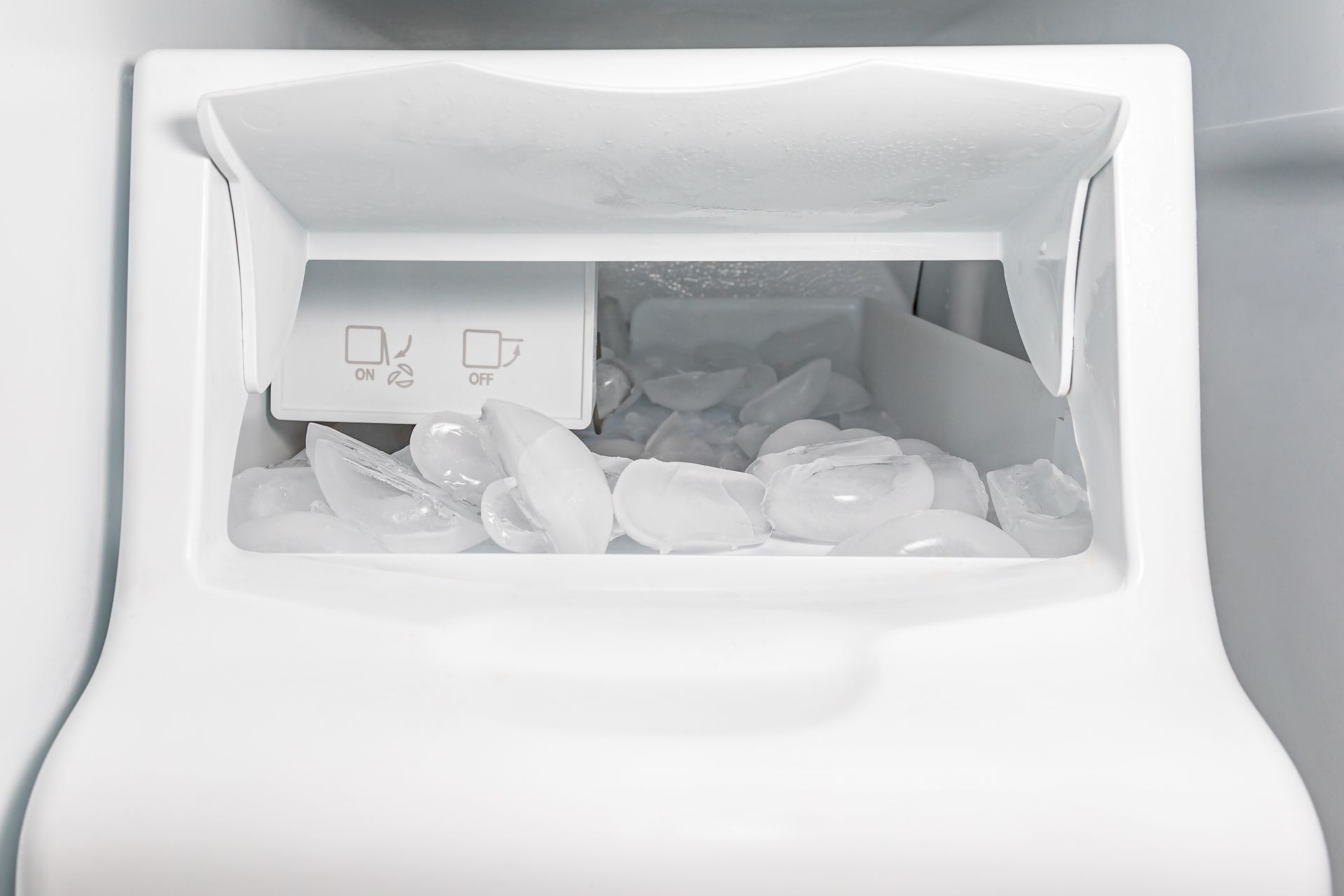
No Ice Production Disrupts Daily Routine
Ice maker repair in Jacksonville for water line clogs, motor failures, and thermostat issues in built-in and standalone units
Ice makers stop producing when water inlet valves fail, supply lines clog with mineral deposits, or thermostats lose calibration. Affordable Appliance Service repairs ice makers in refrigerators and standalone units throughout Jacksonville and Atlantic Beach, addressing the root cause rather than recommending full appliance replacement. Florida's mineral-rich and sometimes brackish water supplies clog ice maker lines over time, making regular line flushing and filter assessment essential preventive care in coastal areas where calcium and lime concentrations run higher than inland regions.
Technicians check water inlet valve operation to confirm proper flow rate, inspect supply lines for mineral buildup that restricts water delivery, and test thermostat settings to verify temperature control. Blockages are cleared using manufacturer-approved methods, and valves and seals are replaced with parts that match original equipment specifications.
Request a diagnostic visit to determine whether your ice maker needs valve replacement, line cleaning, or thermostat recalibration.
How Ice Maker Repair Addresses Water Flow Problems
The repair process begins with shutting off the water supply and inspecting the inlet valve for debris or mineral scale that blocks flow. Supply lines are disconnected and flushed to remove calcium deposits, and the technician verifies that the fill tube isn't frozen or kinked. Thermostat operation is tested by monitoring freeze cycle timing and comparing it to manufacturer specifications.
Once repairs are complete, the ice maker resumes normal fill cycles, producing clear cubes without hollow centers or cloudy discoloration. Water flows steadily into the mold without dripping onto the freezer floor, and the harvest cycle ejects ice into the bin at regular intervals. You'll also notice the unit no longer overfills or underfills the mold, which indicates proper valve and thermostat function.
Some repairs involve replacing the entire inlet valve assembly if internal components have corroded beyond cleaning, while others require adjusting the thermostat mounting position to restore accurate temperature sensing. Filter condition is also assessed, since clogged filters reduce water pressure and slow ice production even when the maker itself functions correctly.
Answers to Frequent Service Questions
Ice maker problems generate specific questions because symptoms vary depending on whether the issue is mechanical, electrical, or water-related.
Why does my ice maker produce small or hollow cubes?
Insufficient water flow caused by a clogged supply line or weak inlet valve reduces the fill volume per cycle; clearing mineral buildup and replacing faulty valves restores proper cube size and density.
How often should ice maker lines be flushed in Jacksonville?
Coastal water supplies with higher mineral content benefit from annual line flushing to prevent scale accumulation that restricts flow and damages valve seats over time.
What happens if the thermostat fails?
The ice maker either runs continuously without harvesting cubes or never initiates a freeze cycle; thermostat replacement restores timed operation and proper temperature sensing.
When is an ice maker beyond repair?
Cracked mold assemblies or corroded mounting brackets usually mean replacement is more cost-effective than repair, but most valve, line, and thermostat problems are fixable without replacing the unit.
What tools are used during ice maker repair?
Technicians use multimeters to test valve continuity, line brushes to clear mineral deposits, and manufacturer-specific replacement valves and seals to match original equipment specifications.
With more than forty years repairing refrigeration appliances in residential homes, Affordable Appliance Service focuses on fixing ice makers instead of pushing replacement units. Arrange a repair visit to restore consistent ice production without the expense of a new appliance.